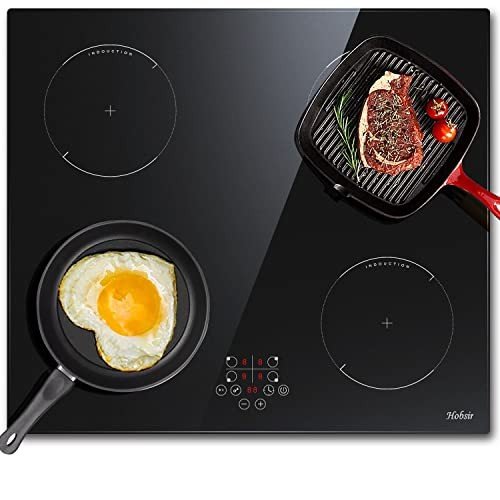
5 Tools That Everyone Who Works In The Oven And Hob Industry Should Be Using
Understanding Kitchen Ovens and Hobs: A Comprehensive Guide
The kitchen is typically referred to as the heart of the home, and for great factor. It is where families come together, meals are prepared, and memories are created. Central to this cooking haven are 2 necessary devices: the kitchen oven and the hob. Understanding their functions, types, and performances is vital for effective cooking and can considerably improve a home chef's experience. This post will look into the world of kitchen ovens and hobs, examining their different types, advantages, and suggestions for making informed options.
Table of Contents
- Intro to Kitchen Ovens
- Types of Ovens
- Traditional Ovens
- Convection Ovens
- Microwave Ovens
- Steam Ovens
- Comprehending Hobs
- Kinds of Hobs
- Gas Hobs
- Electric Hobs
- Induction Hobs
- Advantages of Using Ovens and Hobs
- Choosing the Right Oven and Hob for Your Kitchen
- Upkeep Tips for Ovens and Hobs
- FAQs
- Conclusion
1. Intro to Kitchen Ovens
Ovens are vital devices in modern-day kitchen areas. They supply a controlled environment for baking, roasting, and broiling food. With different styles and functionalities, choosing the best oven can drastically impact cooking times, food texture, and taste.
2. Types of Ovens
Traditional Ovens
Standard ovens are the most typical type found in homes. They utilize either electric or gas power to warm the interior and generally include a single cooking space.
Benefits:
- Versatile for baking, roasting, and broiling.
- Generally economical.
Convection Ovens
Convection ovens resemble traditional ovens however come geared up with a fan that circulates hot air throughout the cooking chamber. This leads to even cooking and browning.
Advantages:
- Reduced cooking times due to improved airflow.
- Improved browning and crisping of foods.
Microwave Ovens
Microwave use electromagnetic radiation to heat food quickly, making them practical for thawing and reheating leftovers.
Benefits:
- Very quick cooking times.
- Energy effective.
Steam Ovens
Steam ovens utilize steam to prepare, protecting the wetness and nutrients in food. They are particularly popular amongst health-conscious cooks.
Benefits:
- Healthier cooking alternative.
- Maintains vitamins and minerals in food.
3. Understanding Hobs
Hobs, also referred to as cooktops, are the flat surfaces on which pots and pans are put to prepare food. They can be integrated into kitchen counter tops and are offered in various styles, fuel types, and designs.
4. Kinds of Hobs
Gas Hobs
Gas hobs use burner as their heat source, offering instant heat and accurate temperature level control.
Advantages:
- Excellent control over cooking heat.
- Usually more affordable to run than electric ones.
Electric Hobs
Electric hobs heat utilizing electric coils or glass surface areas. They might take longer to warm up than gas, however they offer a smooth cooking surface and are much easier to clean.
Benefits:
- Even heat distribution.
- Safe, as there's no open flame.
Induction Hobs
Induction hobs utilize electro-magnetic energy to straight heat up pots and pans. They need compatible cookware and deal immediate responsiveness.
Benefits:
- Highly energy-efficient.
- Faster cooking times and accurate temperature level control.
5. Advantages of Using Ovens and Hobs
Both ovens and hobs included their own distinct set of advantages that can enhance any cooking experience. Here are a couple of key advantages:
- Diverse Cooking Options: Both home appliances permit a variety of cooking approaches including boiling, frying, roasting, baking, and steaming.
- Time Efficiency: Modern ovens and hobs frequently feature quick cooking settings, which save time in the kitchen.
- Accuracy Cooking: With sophisticated features, users can accomplish much better lead to temperature control and cooking times.
6. Choosing the Right Oven and Hob for Your Kitchen
When choosing the right oven and hob, different elements need to be considered:
- Size: Ensure that the appliance fits comfortably in your kitchen space.
- Cooking Style: Consider what kinds of food you frequently prepare.
- Fuel Type: Whether gas or electric, consider availability and performance in your location.
- Spending plan: Determine your budget plan and discover appliances that fulfill your needs within that variety.
List for Choosing Your Oven and Hob:
- Assess kitchen area.
- Identify your cooking choices.
- Determine power source availability.
- Compare features and specifications.
- Set a budget plan range.
7. Maintenance Tips for Ovens and Hobs
Routine maintenance is vital for keeping ovens and hobs in optimum condition. Here are some upkeep suggestions:
- Clean Regularly: Wipe down surface areas after each usage and deep tidy regularly.
- Examine Seals: For ovens, examine door seals to guarantee they are airtight.
- Examine Burners: For gas hobs, keep burners without food particles to maintain effective heating.
- Change Filters: If your oven has a filter, replace it as advised by the manufacturer.
8. Frequently asked questions
1. What is the distinction in between a traditional oven and a convection oven?Conventional ovens
cook food through glowing heat, while stove circulate hot air, resulting in much faster and more even cooking. 2. Do induction hobs require special cookware?Yes,
induction hobs need ferrous cookware that can being magnetized to work effectively. 3. Fan Oven Sales ?For health-conscious individuals or those who frequently cook veggies and delicate foods, steam ovens can be worth the financial investment
due to their ability to retain nutrients. 4. Can I integrate an oven and hob into one unit?Yes, many makers provide combined systems called range cookers, which integrate both an oven
and hob into a single home appliance. 9. Conclusion Kitchen ovens and hobs are essential parts of any culinary area, each offering distinct features and performances matched for various cooking designs.
By understanding the
kinds of ovens and hobs available, their benefits, and how to preserve them, home chefs can cultivate a more effective and pleasurable cooking experience. Whether one is an experienced cook or a novice, making informed decisions about these important kitchen devices is crucial.